Cubillo / History of a State Crime
Documentary Art Direction & Motion
A feature documentary combining investigative storytelling, noir-inspired art direction and around 20 minutes of original motion graphics built from archival photography.
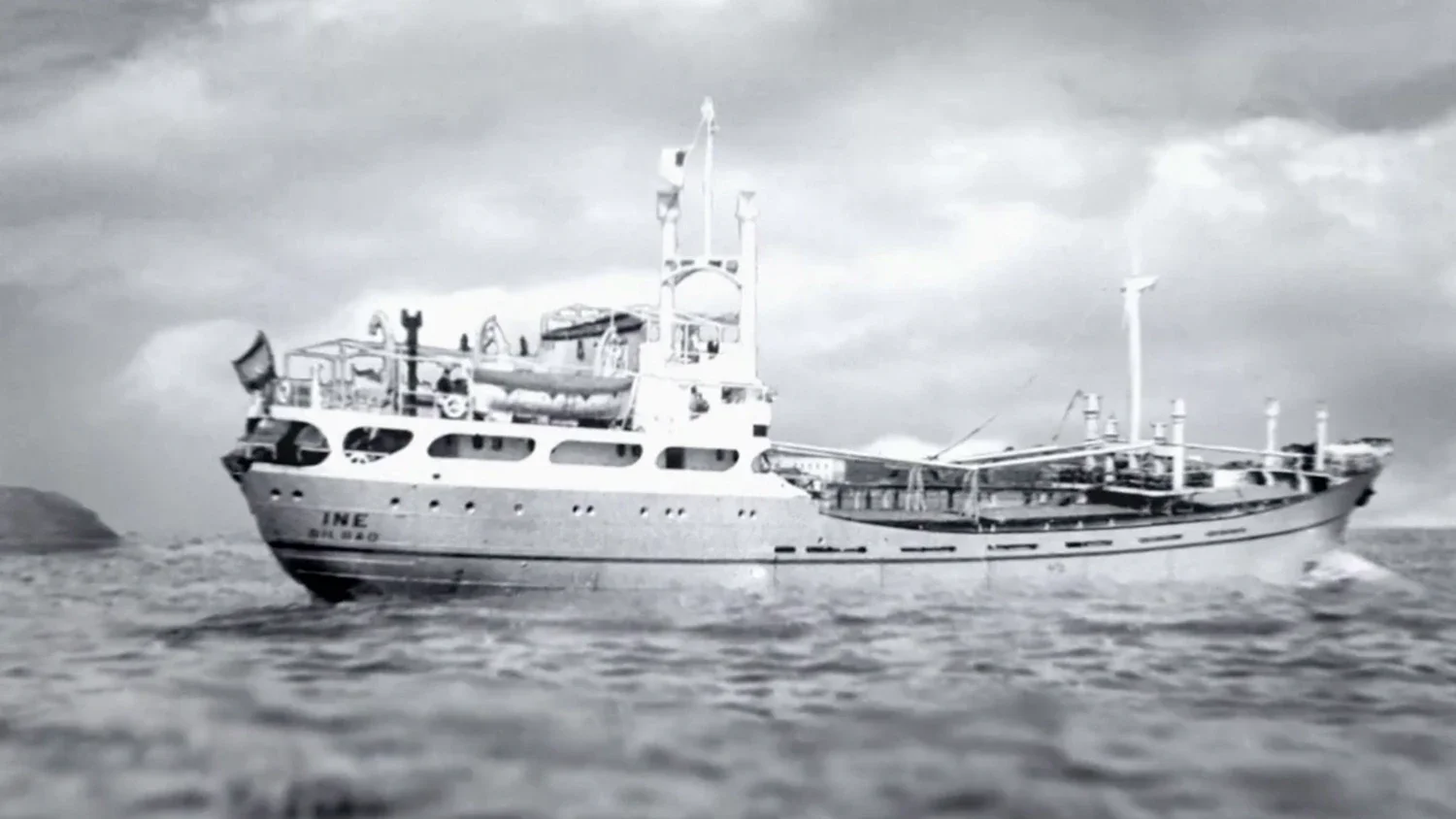
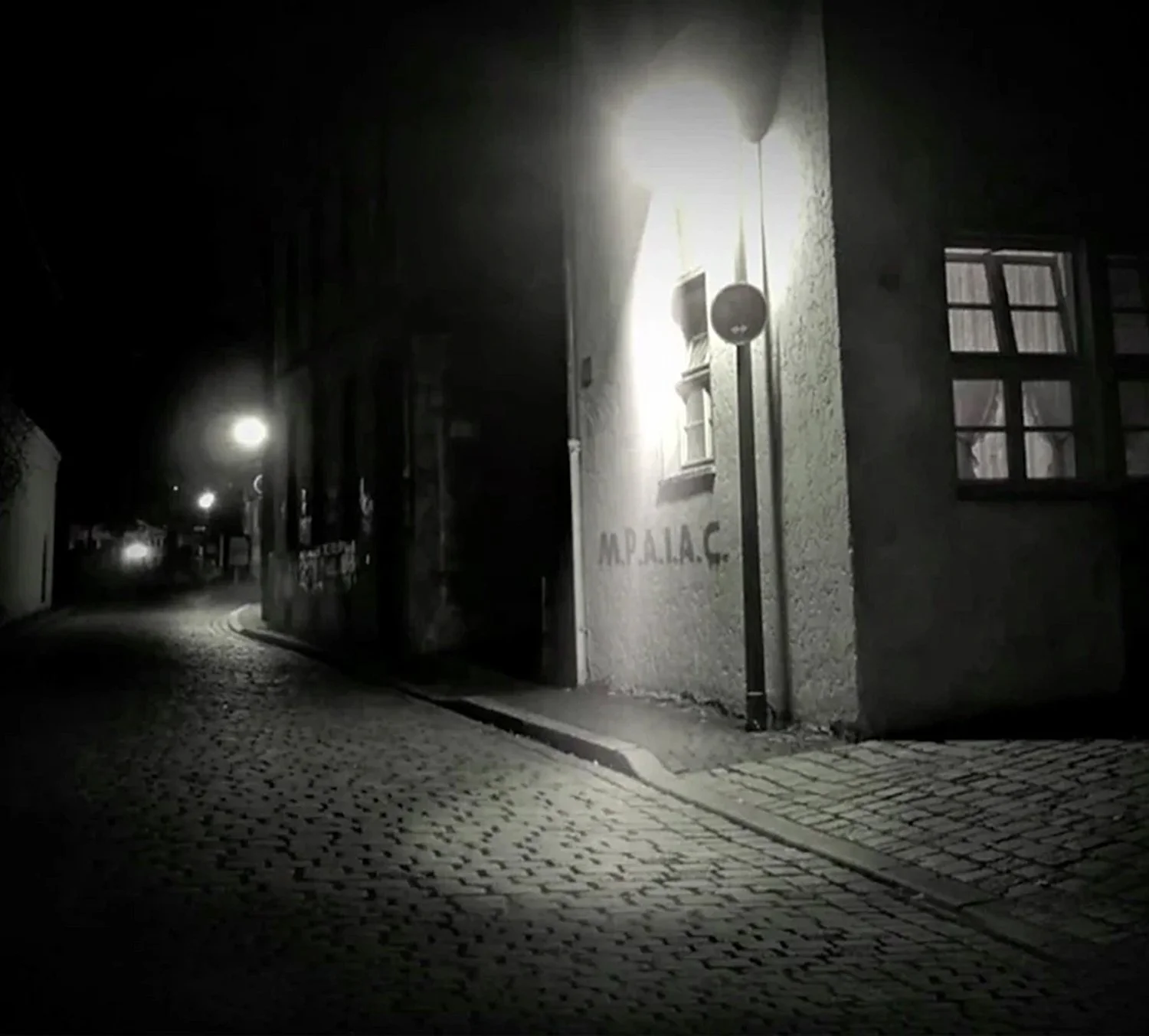
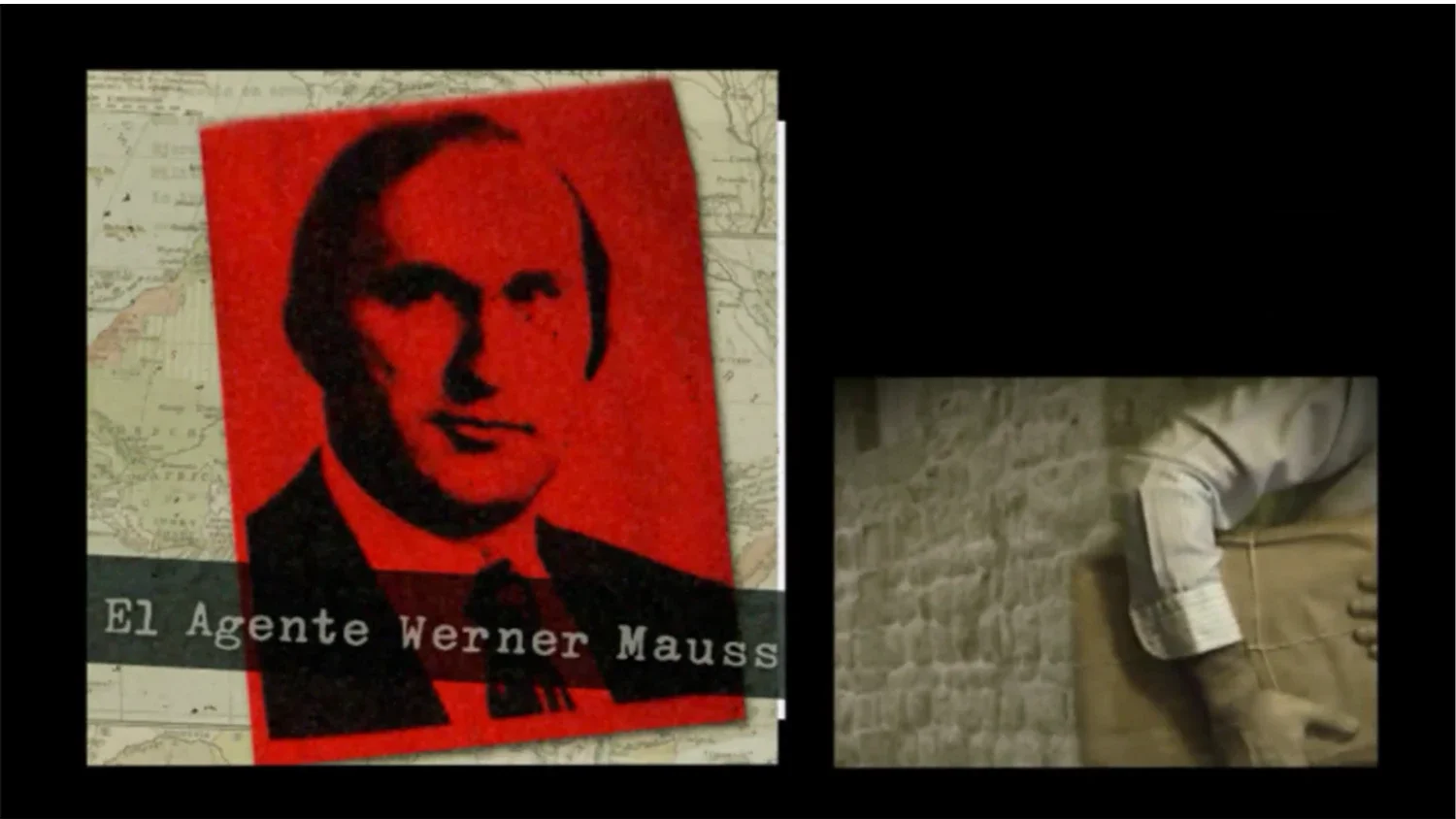
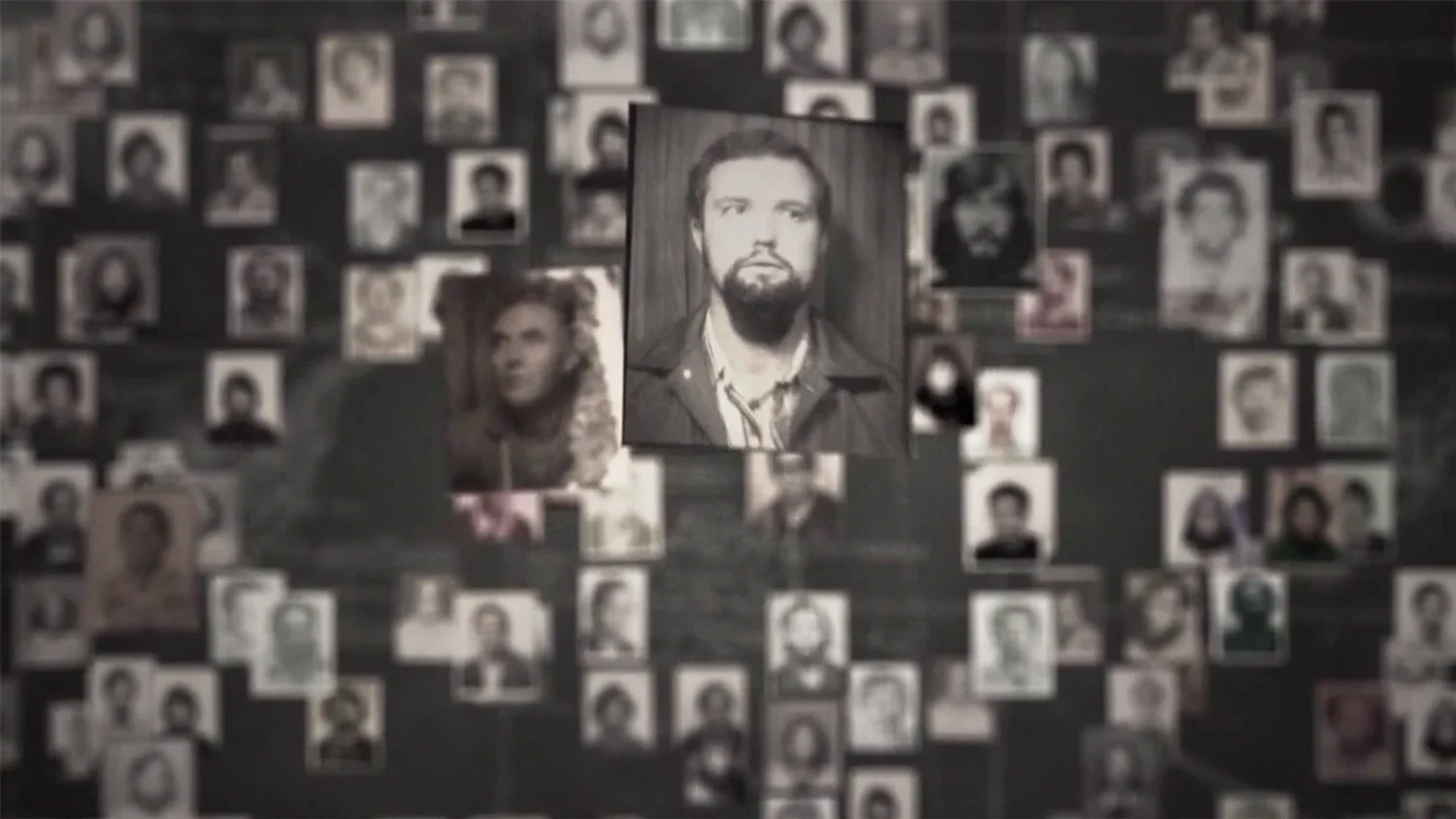
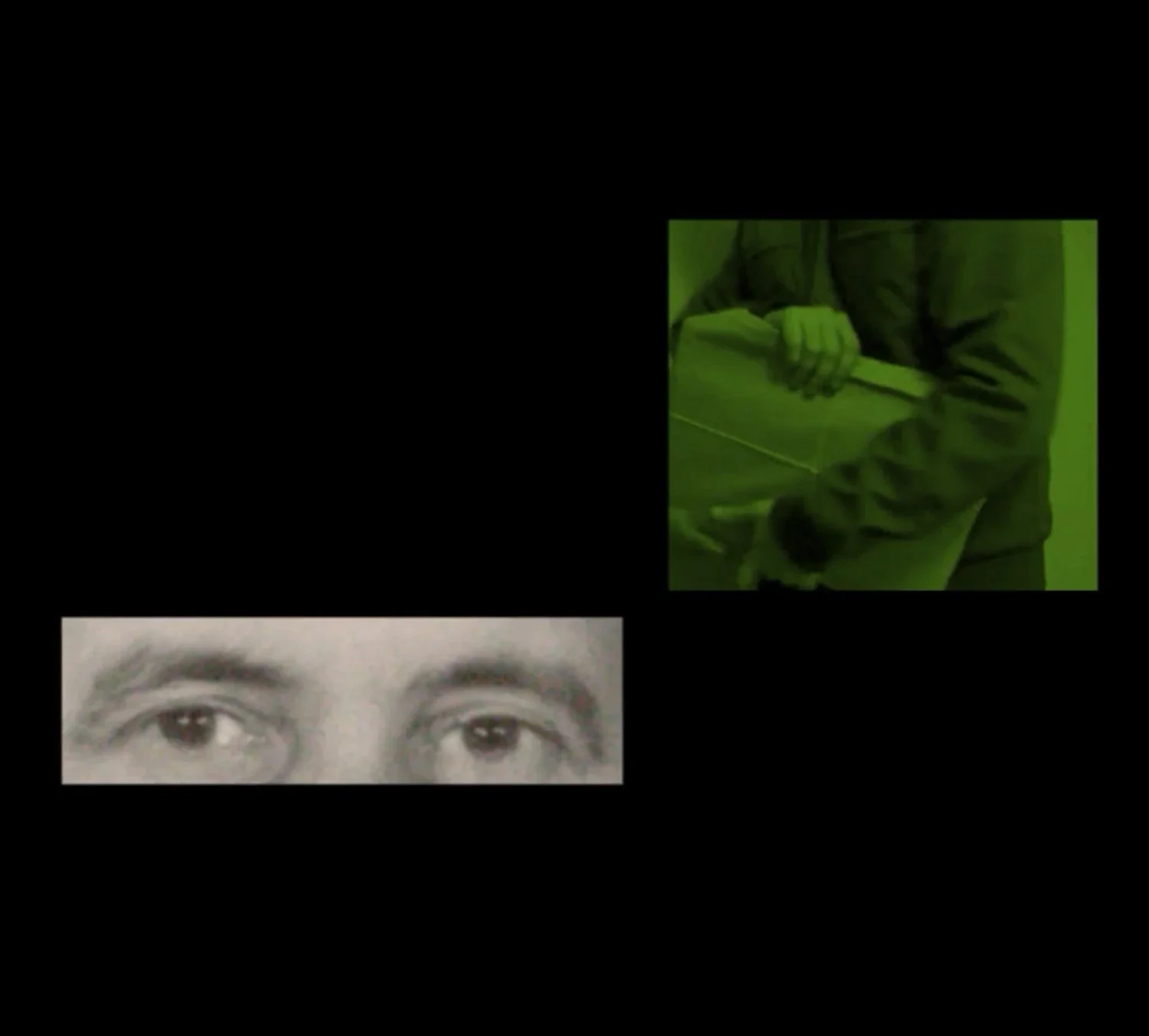
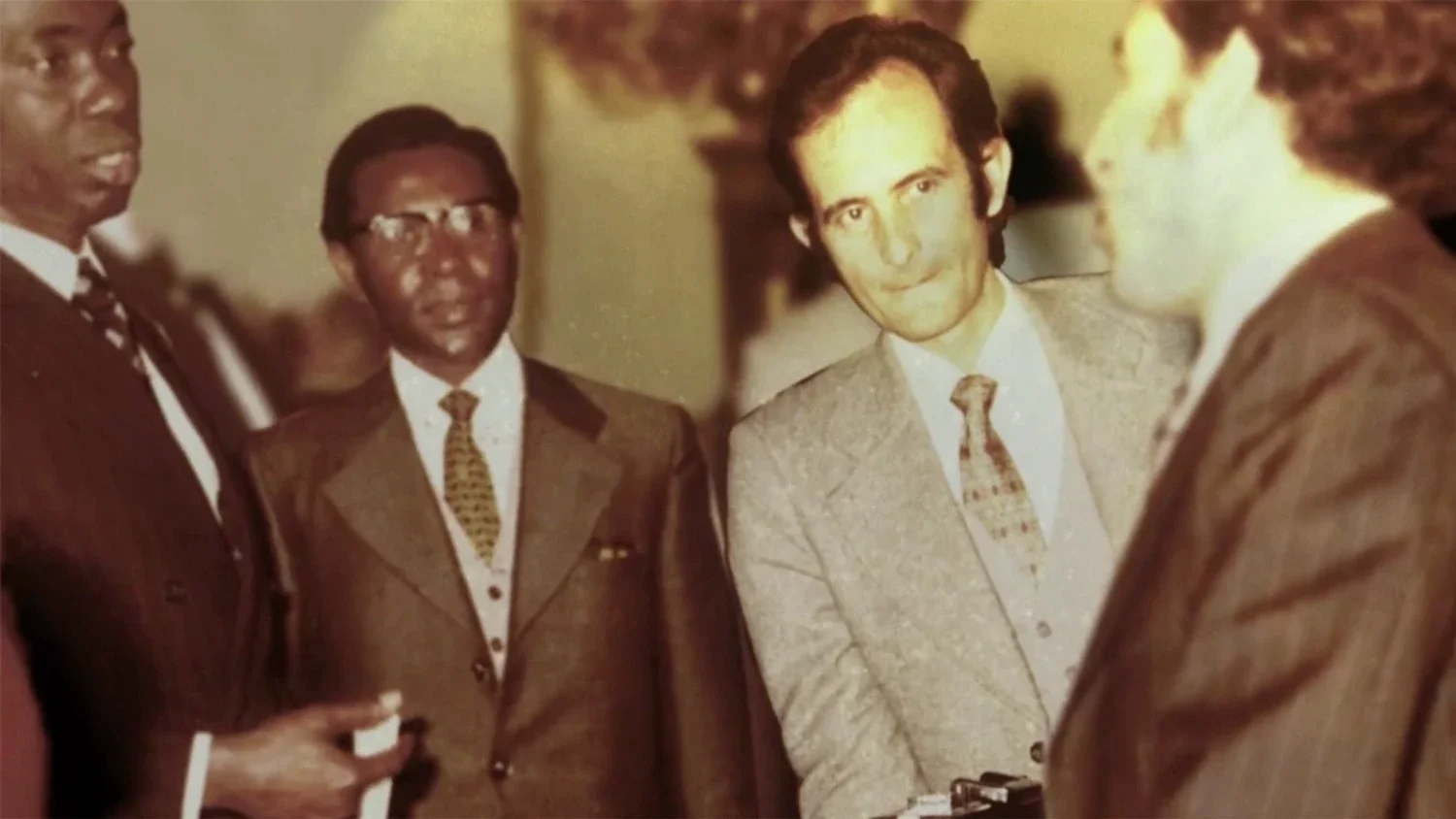
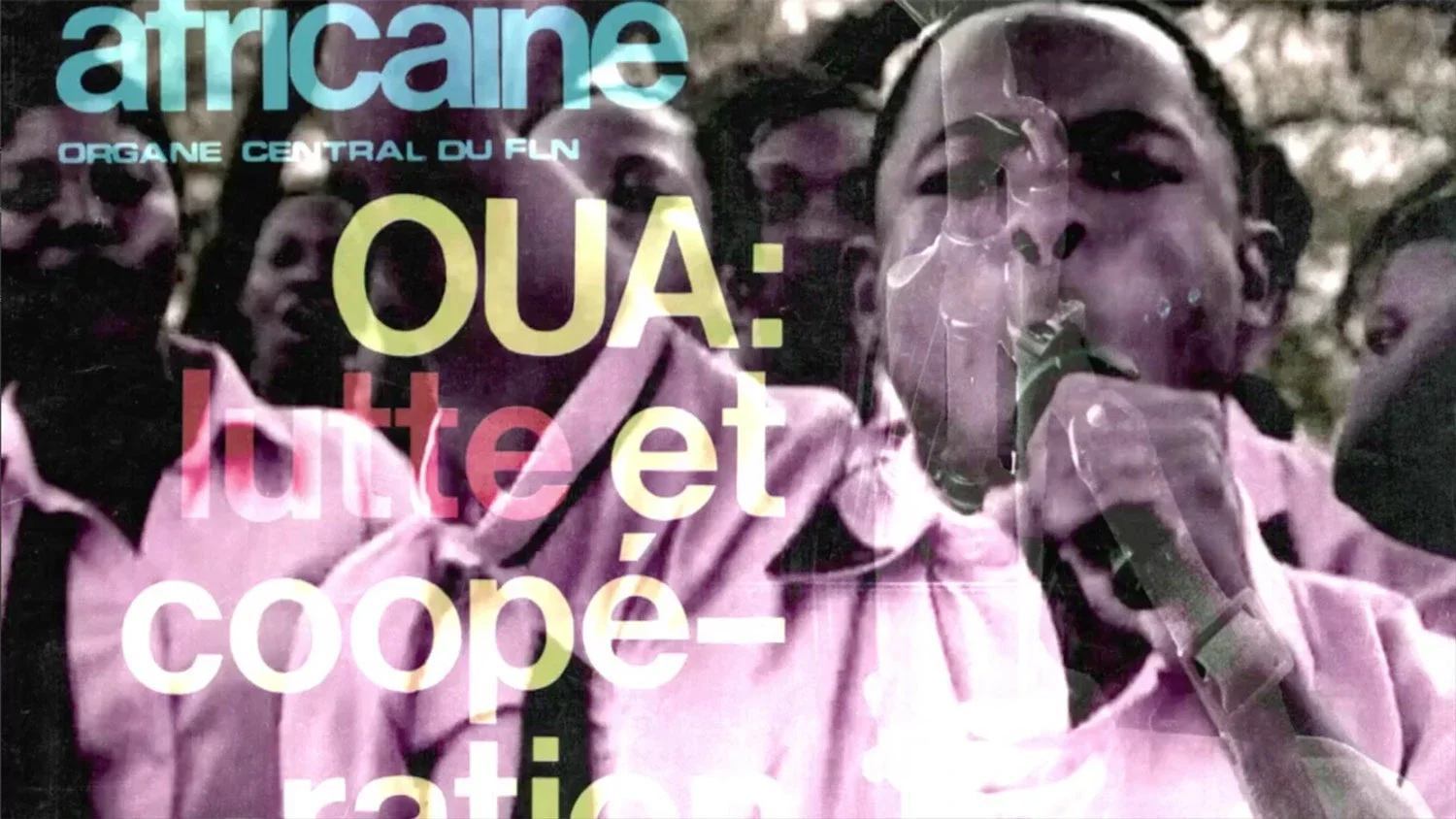
Reel featuring post-production and motion graphics work.
Full documentary.
What is it
Cubillo, History of a State Crime is a 97-minute investigative documentary centred on the attempted assassination of Antonio Cubillo and the international political context surrounding the MPAIAC, the Cold War, African decolonisation and Spain’s democratic transition.
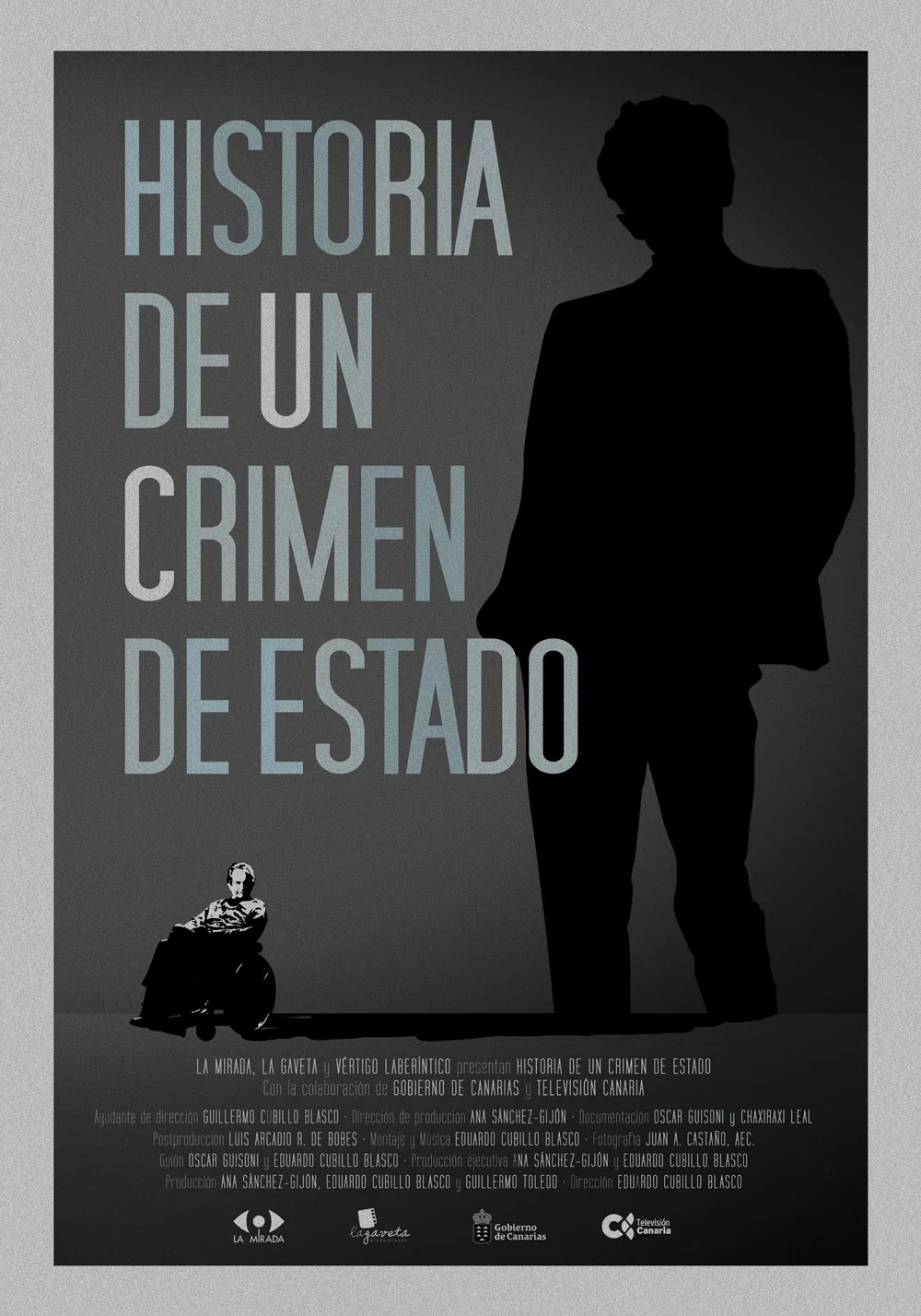
Visually, the project drew heavily on the language of 1960s spy thrillers and film noir. That aesthetic informed the documentary’s graphic identity, poster, logo, promotional material and motion sequences.
What I did
Art Direction · Motion Graphics · 3D Photo Compositing · Graphic Design · Poster Design · Visual Identity · Promotional Materials
I was responsible for a substantial part of the documentary’s visual language, from the early identity and funding materials through to the final motion graphics, poster and promotional applications.
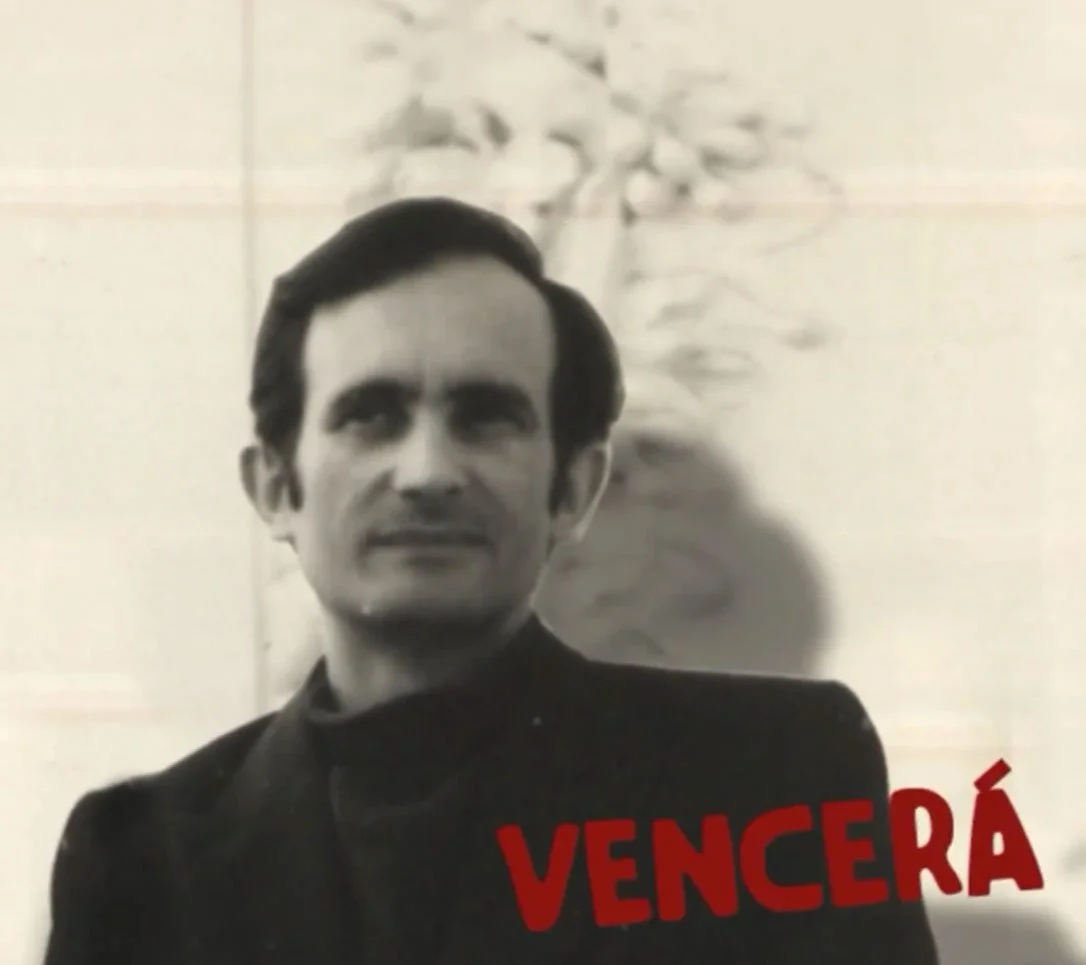
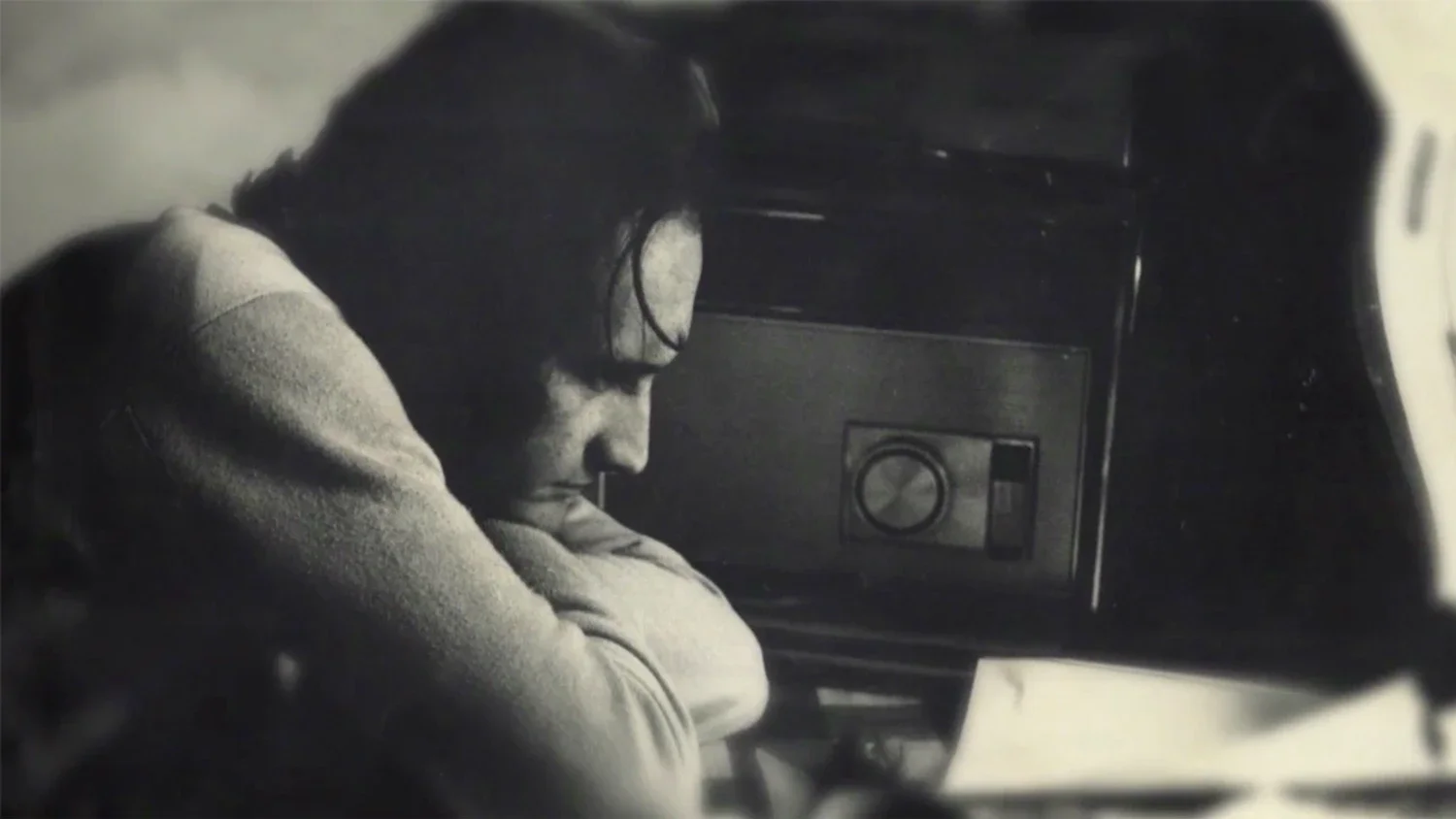
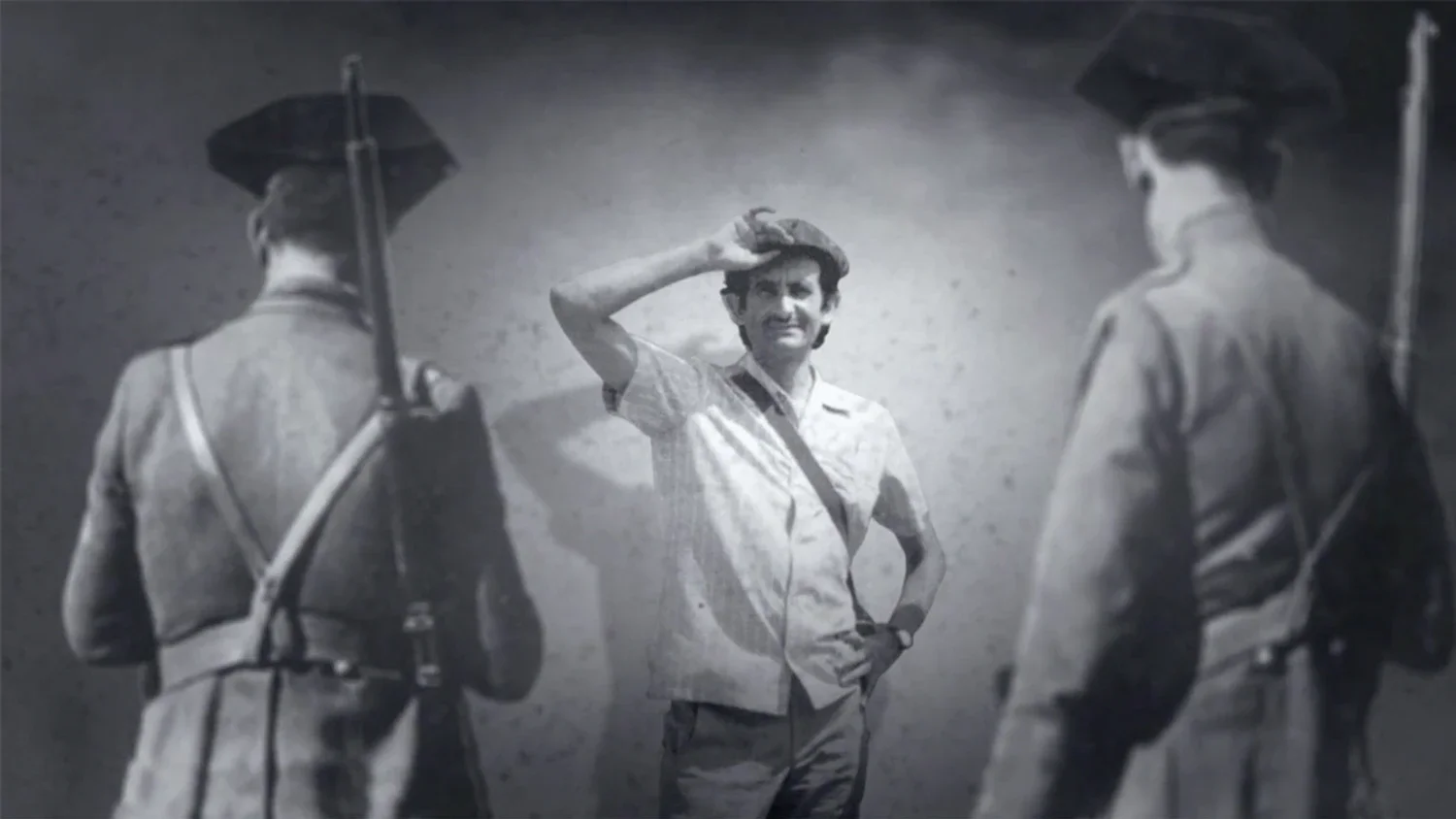
The graphic work included around 20 motion sequences, many built from photographs taken from Antonio Cubillo’s personal archive and reconstructed as layered 3D compositions.
How I did it
The motion work was developed over approximately a year. Archival photographs were separated into layers, reconstructed in depth and animated to create camera movement, atmosphere and continuity, turning static historical material into cinematic sequences.
In total, around 20 minutes of the documentary were recreated from scratch using animated photographic compositions.
The same noir-inspired visual language was extended into the poster, logo, DVD artwork, banners, large-format promotional pieces and earlier presentation dossiers used during the financing stage.
For those early dossiers, aged folders and paper stock were deliberately incorporated into the presentation, reinforcing the documentary’s archival and espionage aesthetic.
The film was later selected for the Documentary Section of the Málaga Film Festival and was entered in eight categories at the Goya Awards, including Best Documentary Film.